
Simple Strength Exercises for Everyday Independence After 50

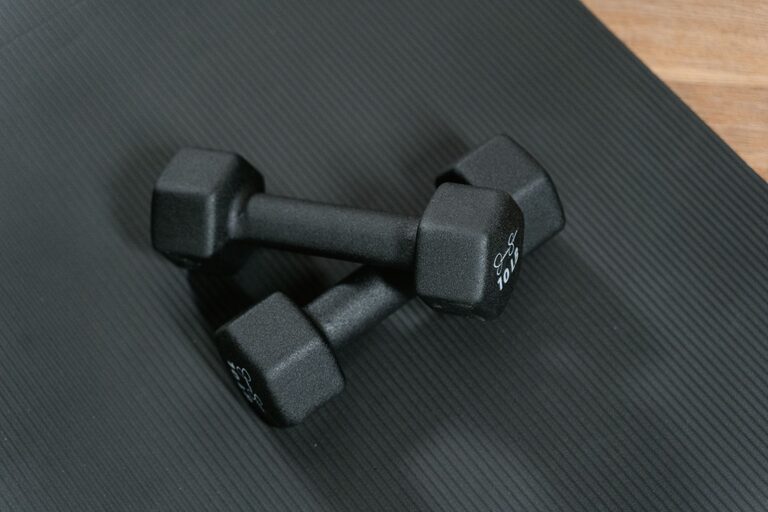
Strength plays an important role in everyday independence. It can make common tasks—such as carrying groceries, climbing stairs, standing from a chair, or reaching for a shelf—feel more manageable. After 50, a simple strength routine can help you stay active and confident without requiring a gym or complicated equipment.
The goal is not to lift the heaviest weight or complete the most intense workout. Instead, focus on controlled movements that reflect activities you do throughout the day. Regular practice, good form, and gradual progress matter more than speed.
Why Practical Strength Matters
Everyday independence depends on more than muscle size. It also involves coordination, balance, joint movement, and the ability to control your body through different positions.
Functional strength exercises can support tasks such as:
– Getting up from a chair
– Walking up and down stairs
– Carrying shopping bags
– Lifting light household items
– Reaching overhead
– Bending to pick something up
– Turning and moving around safely
A balanced routine should include exercises for the legs, hips, core, back, chest, shoulders, and arms. It should also include movements that challenge your balance in a controlled way.
Before beginning a new exercise routine, consider your current fitness level and any personal limitations. If you have concerns about movement, pain, balance, or previous injuries, seek guidance from a qualified health or fitness professional.
1. Chair Sit to Stand
Standing up from a chair is one of the most useful strength movements for daily life. This exercise works the thighs, hips, and core while practicing a familiar motion.
How to do it
- Choose a sturdy chair that does not slide.
- Sit near the front edge with your feet about hip-width apart.
- Lean forward slightly while keeping your back comfortably straight.
- Press through your feet to stand.
- Pause briefly, then slowly lower yourself back into the chair.
Try 8 to 12 repetitions. Use your hands on the chair or your thighs for support if needed. As the movement becomes easier, cross your arms over your chest or pause for a moment before sitting down.
Avoid dropping into the chair. Lowering slowly helps build control and makes the exercise more useful for everyday movement.
2. Wall Push Ups
Wall push-ups strengthen the chest, shoulders, and arms. They are a gentler alternative to floor push-ups and can be adjusted easily.
How to do it
- Stand facing a wall, about one arm’s length away.
- Place your palms on the wall at about chest height.
- Keep your body in a straight line from head to heels.
- Bend your elbows to bring your chest closer to the wall.
- Press through your hands to return to the starting position.
Complete 8 to 12 repetitions. To make the exercise more challenging, step your feet slightly farther from the wall. To make it easier, move closer.
Keep your shoulders relaxed and avoid locking your elbows at the top of the movement.
3. Supported Step Ups
Step-ups help develop leg strength and coordination for climbing stairs and stepping onto curbs. Use a low, stable step and hold a railing or sturdy support when necessary.
How to do it
- Stand in front of a low step with your feet comfortably apart.
- Place one foot fully on the step.
- Press through that foot to bring the other foot up.
- Step down carefully, leading with the same foot or alternating sides.
- Repeat on the other leg.
Start with 5 to 8 repetitions per side. Move slowly and focus on placing your entire foot on the step. If the movement feels unsteady, reduce the step height or practice stepping in place first.
4. Standing Hip Hinge
A hip hinge teaches you how to bend safely from the hips. This pattern can be helpful when picking up light objects, loading a laundry basket, or reaching toward a lower shelf.
How to do it
- Stand with your feet about hip-width apart.
- Place your hands on your hips or across your chest.
- Keep your back comfortably straight as you gently push your hips behind you.
- Slightly bend your knees while your upper body leans forward.
- Press through your feet and squeeze your hips to return to standing.
Perform 8 to 10 repetitions. Imagine closing a car door with your hips as you move backward. Keep the movement small at first, and avoid rounding your back or reaching toward the floor.
5. Calf Raises
Strong calf muscles support walking, stepping, and pushing off the ground. Calf raises are simple to do while holding a kitchen counter or the back of a sturdy chair.
How to do it
- Stand tall with your feet hip-width apart.
- Hold a stable surface lightly for balance.
- Slowly rise onto the balls of your feet.
- Pause at the top.
- Lower your heels with control.
Try 10 to 15 repetitions. For variety, perform the exercise with your toes pointing straight ahead, then slightly outward. Keep your weight evenly distributed and avoid bouncing.
6. Standing Row With Resistance
A resistance band can help strengthen the upper back and arms. This may support tasks such as pulling open a door, carrying a bag, or maintaining an upright posture.
How to do it
- Secure a resistance band to a stable point at about chest height.
- Hold one end in each hand and stand tall.
- Keep your elbows close to your sides.
- Pull the handles or band ends toward your ribs.
- Slowly extend your arms without letting the band snap forward.
Complete 8 to 12 repetitions. Keep your shoulders down and focus on drawing your shoulder blades gently together. If you do not have a band, practice the same motion without equipment to learn the movement.
7. Supported Balance Stand
Balance practice is an important addition to strength training. A supported single-leg stand can help you become more comfortable shifting weight from one foot to the other.
How to do it
- Stand beside a counter or sturdy chair.
- Hold the support with one hand.
- Shift your weight onto one foot.
- Lift the other foot slightly from the floor.
- Hold for 5 to 10 seconds, then switch sides.
Repeat 2 or 3 times per side. Keep your gaze forward and use the support as much as needed. Over time, try using lighter fingertip contact, but do not remove support if you feel unsteady.
How to Build a Simple Routine
You do not need a long workout to make progress. Begin with two or three sessions per week, allowing time between sessions for rest and recovery.
A sample routine could include:
– Chair sit to stand: 8 to 12 repetitions
– Wall push-ups: 8 to 12 repetitions
– Supported step-ups: 5 to 8 per side
– Standing hip hinge: 8 to 10 repetitions
– Calf raises: 10 to 15 repetitions
– Supported balance stand: 2 rounds per side
Start with one round of each exercise. If you feel comfortable after several sessions, add a second round or increase repetitions slightly. Make only one change at a time so you can notice how your body responds.
Tips for Safe, Consistent Progress
– Warm up with several minutes of easy walking or gentle movement.
– Use sturdy furniture and clear the exercise area.
– Move slowly enough to maintain control.
– Breathe naturally instead of holding your breath.
– Stop if you feel sharp pain, unusual dizziness, or sudden discomfort.
– Choose comfortable clothing and supportive footwear.
– Keep a simple record of exercises and repetitions.
– Focus on consistency rather than perfection.
Strength training after 50 can be simple, practical, and adaptable. By practicing movements that connect to daily activities, you can build confidence while supporting the skills needed for an active, independent lifestyle.